How Are Mini Dental Implants Placed?
Mini dental implants are often recommended to patients as a way to securely hold dentures into place, and patients often report them feeling more comfortable than traditional dentures. However, many avoid treatment as they fear the placement process is too invasive. It is helpful to know more about how they are placed to make a more informed decision.
The mini dental implants placement procedure
Although every patient is unique, there are certain steps in the placement process that the patient can expect. The following is an overview of how the mini dental implants placement procedure works, including insights on how to make a quick recovery after the procedure.
The initial consultation
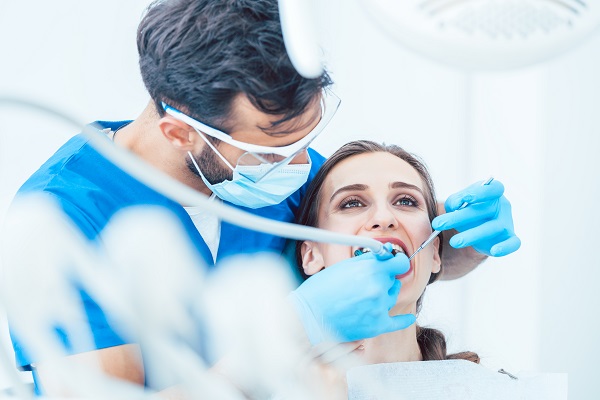
The first step for getting mini dental implants is to schedule a visit with a dentist who offers the treatment. During the first visit, they will discuss treatment goals with the patient, along with conducting an oral examination and ordering dental X-rays to determine if any mouth preparations are necessary. The consultation is also a good time for the patient to ask questions about the procedure.
Preparations for the procedure
The dentist may recommend certain treatments before the placement of mini implants, such as periodontal disease treatment or bone grafting. A bone grafting procedure may be necessary if the patient does not have enough existing jawbone to securely hold the mini dental implant into place. Once the mouth is fully prepared for the placement procedure, the dentist will provide instructions on how to prepare the night before the procedure.
The placement procedure
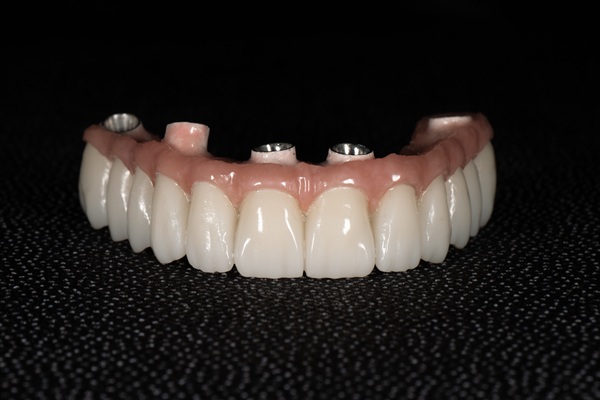
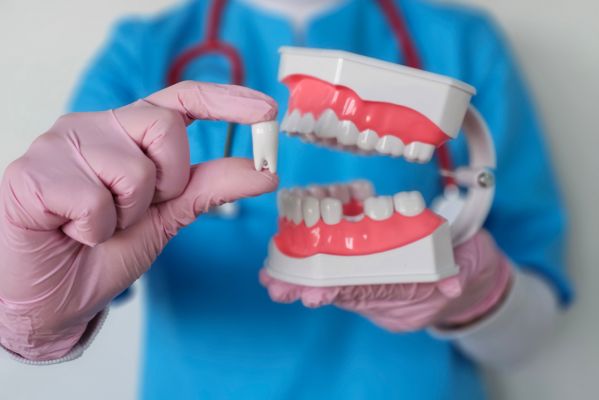
The process of placing mini dental implants is similar to that of regular dental implants, although it is less invasive and most often does not cause as much discomfort. The first thing the dentist will do during the procedure is to make a small incision into the gums to access the bone. They will then drill a small hole to place the implant. Once it is securely in place, the dentist will suture up the gums. While standard dental implants typically require a second procedure, oftentimes the dentures can be placed the same day with mini dental implants.
Follow-up and recovery process
The recovery time for mini dental implants is far shorter on average than with regular implants as the placement procedure is not as invasive. However, there will likely be some discomfort for the first few days after placement. The dentist should provide instructions on how to make a quick recovery and avoid complications, which will likely include dietary restrictions, oral hygiene requirements and medication to manage pain and prevent infection. Follow-up visits with the dentist may be required for a full recovery as well.
Find out more about mini dental implants
Many are choosing mini dental implants to support dentures as many find them more comfortable than traditional dentures, among other benefits. To learn more about these implants and how the placement process works, get in touch with us today to schedule a consultation visit. Our friendly team will be happy to answer your questions.
Request an appointment here: https://newyorkdmd.com or call New York DMD at (917) 284-9680 for an appointment in our New York office.
Recent Posts
Implant supported dentures stabilize the bite and allow you to enjoy a diverse menu without the constant fear of an appliance slipping out of place. Traditional removable options often slide during meals, causing irritation and limiting nutritional choices. This restoration anchors the prosthetic teeth directly to dental implants for maximum security. Here is everything you…
Tooth extractions often serve as the essential starting point for a dental implant when a tooth is too damaged or infected to support a healthy smile. While the idea of losing a natural tooth feels like a minor setback, this step clears the way for a more permanent and reliable replacement. Our general dentist focuses…
Dental implants represent a durable and aesthetically pleasing solution for replacing missing teeth. Understanding the proper care for dental implants remains essential to ensure longevity and optimal function. Adhering to recommended practices significantly reduces the risk of complications, preserves oral health, and maintains the attractive appearance and comfort associated with implants. By implementing consistent maintenance…
When you choose a tooth replacement option that looks real, it is an important step for your self-esteem and oral health if you are currently living with missing teeth. Fortunately, modern dental restorations offer treatments that can mimic the light-reflecting and translucent properties of natural enamel. The following guide provides an overview of the most…