Oral Surgery for Wisdom Tooth Extraction from a General Dentist
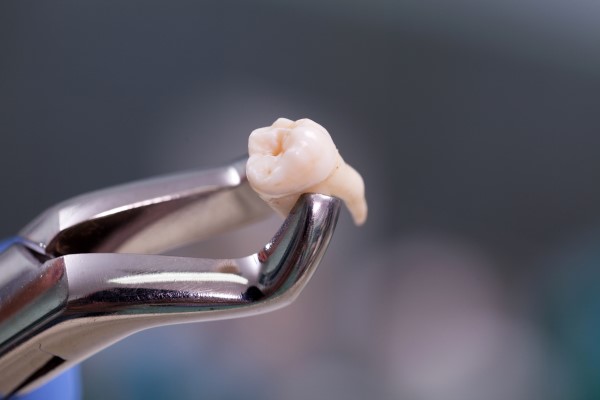
Do you need your wisdom teeth removed? Read on to learn about this common oral surgery procedure. The third set of molars, otherwise called the wisdom teeth, usually develop between 17 and 25 and are removed through oral surgery by a general dentist. Most individuals have at least one impacted wisdom tooth, which means it does not have enough space to develop normally. Patients can prevent additional damage to the surrounding teeth and bones by undergoing wisdom tooth extraction after discovering an impaction or because the teeth might eventually cause issues.
An overview of oral surgery for wisdom tooth removal
Wisdom tooth extraction surgery is usually done as an outpatient treatment by a general dentist. The operation is typically recommended if an examination and x-rays show that the wisdom teeth are impacted or problematic.
The dentist will create an incision in the gums and extract the tooth in fragments or as a whole. Patients may need sedation — whether with nitrous oxide (laughing gas) or intravenous (IV) sedation — along with anesthesia for the procedure. The dentist will determine which sedative to employ based on the patient's comfort level and the intricacy and quantity of extractions needed.
When to undergo the procedure
Oral surgery to remove wisdom teeth before the age of 20 years old is usually less complicated than surgery at an older age. While aging does not prevent someone from having their wisdom teeth removed, it may make things more difficult. Younger people's tooth roots are not completely developed, which makes them simpler to remove and repair. Roots grow longer, are twisted, and are more difficult to remove as patients become older.
The reason for wisdom tooth extraction surgery
During regular visits and using dental x-rays, the dentist will monitor the growth of wisdom teeth. If they get impacted or will potentially create issues, such as infection, bone and tooth loss, tooth decay, gum disease, or damage to nearby teeth, the dentist will recommend extraction.
Even if the patient is not suffering any symptoms right now, the dentist may recommend wisdom tooth removal surgery to prevent issues from developing.
The procedure
Before the operation, the dentist will meet with the patient for a consultation to review their dental records and take more x-rays to check the extent of the oral surgery. The extraction procedure itself should take about 45 minutes. Patients should not feel any pain or discomfort while under anesthesia. The type of sedation, if used, determines whether they will be awake or asleep.
To reach the wisdom teeth, the dental professional will remove any gum tissue covering the area where the tooth is situated. An impacted wisdom tooth may be entirely or partly covered by bone tissue.
Once the teeth are accessible, the dentist will utilize different surgical tools to carefully release them from any connective tissue in the tooth's socket. To make removal simpler, the dentist may split the tooth into pieces. The wisdom tooth may be extracted after it has become loose or has been fully sectioned. Following extraction, the dentist may use stitches to seal up the wound.
Ready to schedule an appointment?
After the oral surgery to remove wisdom teeth, the dentist will provide tips for aftercare and recovery. To learn more, contact our dental office to book an appointment.
Request an appointment here: https://newyorkdmd.com or call New York DMD at (917) 284-9680 for an appointment in our New York office.
Recent Posts
Your oral surgeon will recommend the right oral surgery for your needs. Each treatment corrects a specific issue and can enhance your oral health in different ways. Knowing these procedures can prepare you well for the next visits. Here are the common oral surgery procedures and how they can benefit you.The oral surgeon will recommend…
Oral surgery may be necessary when common dental procedures or appliances cannot solve your dental complication. In order to help you understand when a dental professional recommends oral surgery, we have outlined some of the most common reasons for needing this type of dental care.The oral surgeon will recommend an extraction if a tooth is…
Understanding that oral surgery includes extracting teeth allows dental patients to know that extractions are serious dental treatments. General dentists often perform tooth extractions on their patients only when the tooth is no longer saveable. Therefore, a tooth replacement option must be chosen whenever a tooth is extracted.There are two different types of extractions: simple…
A broken tooth can be the result of many things, such as getting hit in the face while playing a contact sport. The severity of a broken tooth determines if it counts as a dental emergency. Minor breaks that only affect the outer layer of a tooth can wait a few weeks for treatment, but…