How a Restorative Dentist Can Help With Tooth Replacement

A restorative dentist can fill gaps in the smile with tooth replacements that restore comfort and confidence. Losing even one tooth can make it difficult to enjoy your favorite foods, speak clearly, or smile without hesitation. It can also affect the way the remaining teeth fit together over time. With dental implants, a restorative dentist can effectively rebuild a healthy, complete smile.
Why bother replacing lost teeth?
A missing tooth creates a visible gap in the smile. It also leaves an opening for nearby teeth to gradually lean or shift into, which can change the bite and make brushing more challenging. Moreover, food and plaque may accumulate in hard-to-reach or crowded areas, increasing the risk of cavities and gum disease around the remaining teeth.
The jawbone also changes in response to tooth loss. Tooth roots naturally stimulate the jawbone every time a person chews. So when a tooth is missing, the area of bone may lose volume over time. This can affect facial support and may make future tooth replacement more involved.
Dental implants: Replacing more than the visible tooth
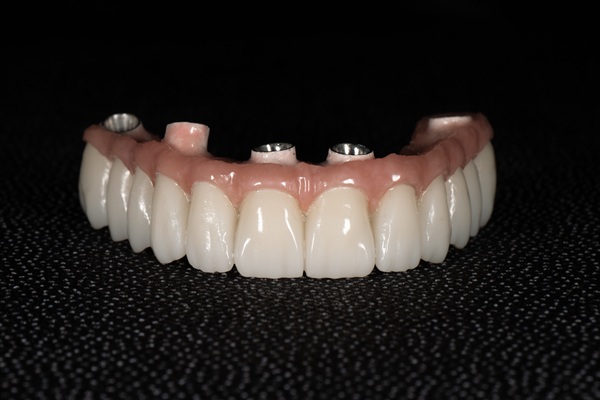
Dental implant-supported restorations can replace both the visible part of a tooth and the root beneath the gums. The implant itself is a small post that a restorative or general dentist places into the jawbone. Over the next few months, the bone fuses with the implant, creating a stable base for a custom crown, bridge, or denture — the visible part of the tooth replacement.
This innovative design helps the new teeth feel secure during meals and conversations. Patients can brush and floss around an implant restoration much like a natural tooth, making daily care feel familiar. What is more, since the implant stands on its own, it does not rely on neighboring teeth for support.
Who is a good fit for dental implants?
A restorative dentist may recommend an implant for one missing tooth, several missing teeth, or a full arch of missing teeth. The treatment plan depends on jawbone support, gum health, medical history, bite forces, and the patient’s goals. Some patients may need bone grafting or other preparation before implant surgery, while others may qualify for a more direct treatment plan.
What happens during dental implant treatment?
Dental implant treatment takes place in stages, but the restorative or general dentist manages the process from planning through the final restoration. Here is a general overview of the implant process:
- A complete exam with digital X-rays or 3D imaging
- Dental implant surgery to place the implant post into the jawbone
- A healing period while the bone bonds with the implant
- Placement of an abutment, which connects the implant to the restoration
- A custom crown, bridge, or denture that completes the tooth replacement
The timeline varies from patient to patient. For instance, healing time depends on bone health, the location of the implant, and whether the patient needs preparatory treatment, such as a bone graft. A restorative dentist can explain each step before treatment begins and help patients understand what to expect during recovery.
Explore tooth replacement with dental implants
A restorative dentist can help patients explore implant-supported restorations. Do you want to close gaps left by missing teeth? Contact our dental team at New York DMD today.
Request an appointment here: https://newyorkdmd.com or call New York DMD at (917) 284-9680 for an appointment in our New York office.
Recent Posts
Dental veneers can transform your smile. However, while veneers are built to last as long as possible, they are not permanent. Their lifespan depends on the type of veneer, daily care, and a few lifestyle habits. A better understanding of those factors makes it easier for you to know what to expect over time.Most porcelain…
Implant supported dentures stabilize the bite and allow you to enjoy a diverse menu without the constant fear of an appliance slipping out of place. Traditional removable options often slide during meals, causing irritation and limiting nutritional choices. This restoration anchors the prosthetic teeth directly to dental implants for maximum security. Here is everything you…
Tooth extractions often serve as the essential starting point for a dental implant when a tooth is too damaged or infected to support a healthy smile. While the idea of losing a natural tooth feels like a minor setback, this step clears the way for a more permanent and reliable replacement. Our general dentist focuses…
Dental implants represent a durable and aesthetically pleasing solution for replacing missing teeth. Understanding the proper care for dental implants remains essential to ensure longevity and optimal function. Adhering to recommended practices significantly reduces the risk of complications, preserves oral health, and maintains the attractive appearance and comfort associated with implants. By implementing consistent maintenance…