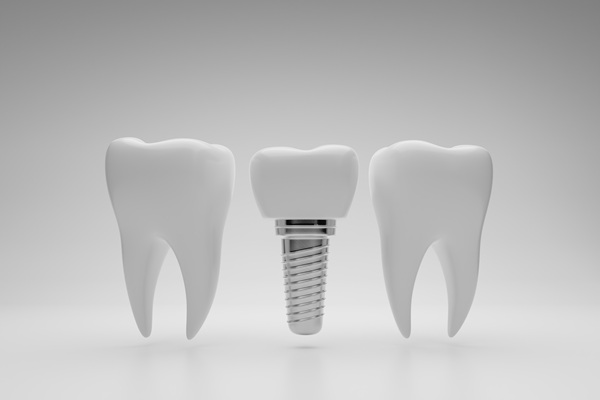
Dental implants represent a durable and aesthetically pleasing solution for replacing missing teeth. Understanding the proper care for dental implants remains essential to ensure longevity and optimal function. Adhering to recommended practices significantly reduces the risk of complications, preserves oral health, and maintains the attractive appearance and comfort associated with implants. By implementing consistent maintenance routines and following professional advice, patients safeguard their investment in oral wellness.
Importance of proper care for dental implants
Proper care for dental implants is fundamental to their long-term success. Although dental implants are durable and designed to mimic natural teeth, they require specialized attention to remain in optimal condition. Neglecting regular maintenance may lead to peri-implantitis, an inflammatory condition affecting the surrounding gums and bone structure. If left untreated, peri-implantitis can cause significant damage, potentially leading to implant failure. Consistent, proper care for dental implants significantly reduces these risks, preserving both function and aesthetics.
Daily maintenance routines
Establishing a thorough daily oral hygiene regimen ensures implants remain clean and free from harmful bacteria. Essential practices include:
Brushing Properly
Brush dental implants twice daily using a soft-bristle toothbrush or a specially designed implant brush. Gentle, circular motions help clean effectively without damaging gum tissues or implant surfaces.
Flossing and Interdental Cleaning
Daily flossing with unwaxed floss or interdental brushes is crucial for removing debris and plaque from areas around and between implants. Interdental cleaners designed for implants enhance effectiveness, reaching areas that traditional floss might miss.
Integrating these steps into daily routines ensures proper care for dental implants, significantly reducing the risk of bacterial buildup and inflammation.
Professional checkups and cleanings
Routine dental visits remain vital components in proper care for dental implants. Regular professional examinations allow dental specialists to monitor implant health, assess surrounding tissues, and identify potential issues early. Professional cleanings effectively remove plaque and tartar accumulation, addressing areas that are difficult to clean thoroughly at home. Dental specialists typically recommend scheduling these preventive visits every six months, though frequency may vary depending on individual patient needs and oral health status.
Additional tips for implant care
Beyond routine maintenance and professional care, several other recommendations enhance implant longevity and overall oral health:
- Avoid chewing on excessively hard foods or items such as ice cubes or pen caps, as this habit may damage implants or restorations.
- Refrain from tobacco products, as smoking significantly increases the risk of complications and negatively impacts the healing process.
- Maintain a balanced diet rich in vitamins and minerals, which supports overall gum and bone health.
Implementing these additional guidelines further supports the proper care for dental implants, enhancing their durability and appearance.
Schedule a visit today
Proper care for dental implants demands dedication, attention, and consistent maintenance. By following recommended home-care practices, scheduling regular professional visits, and adopting healthy lifestyle choices, patients can ensure the lasting success and function of their dental implants, ultimately contributing to lifelong oral health. For more information or to schedule a consultation, call New York DMD.
To schedule a consultation, request an appointment on our website at https://newyorkdmd.com or call New York DMD at (917) 284-9680 for an appointment in our New York office.
Recent Posts
If you have a missing tooth, especially one that is hidden from everyone when you speak or smile, you may want to waive it aside. However, a front tooth is visible and gets plenty of attention when you open your mouth. Regardless of the position of the missing tooth, failing to replace it may have…
If you have a missing tooth you would like to replace, you need to learn more about getting a dental implant. Dental implants can improve your smile. They can also prevent many of the problems associated with missing teeth. Implants are one of the most popular options for replacing teeth. If you are thinking about…
Dental implants are artificial tooth roots that bond with natural bone to support one or more replacement teeth. Dental implants can give patients functional, natural-looking teeth to help them feel more comfortable and confident in their daily activities. In addition, dental implants can last for many years with the proper care and maintenance.If you need…
One of the most common treatment options for missing teeth is the dental implant. This permanent replacement has a natural appearance and feel that mimics real teeth. Implants are typically done for patients who have lost teeth due to severe disease and decay as well as injury.Patients who plan on getting implants may have questions…